Ralph Lemon
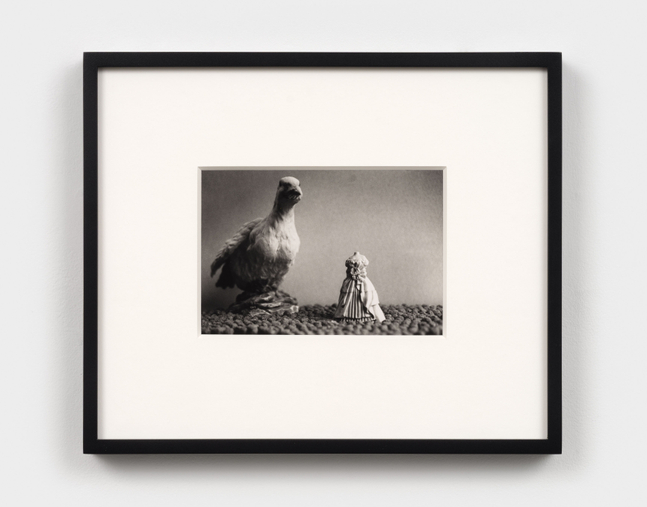
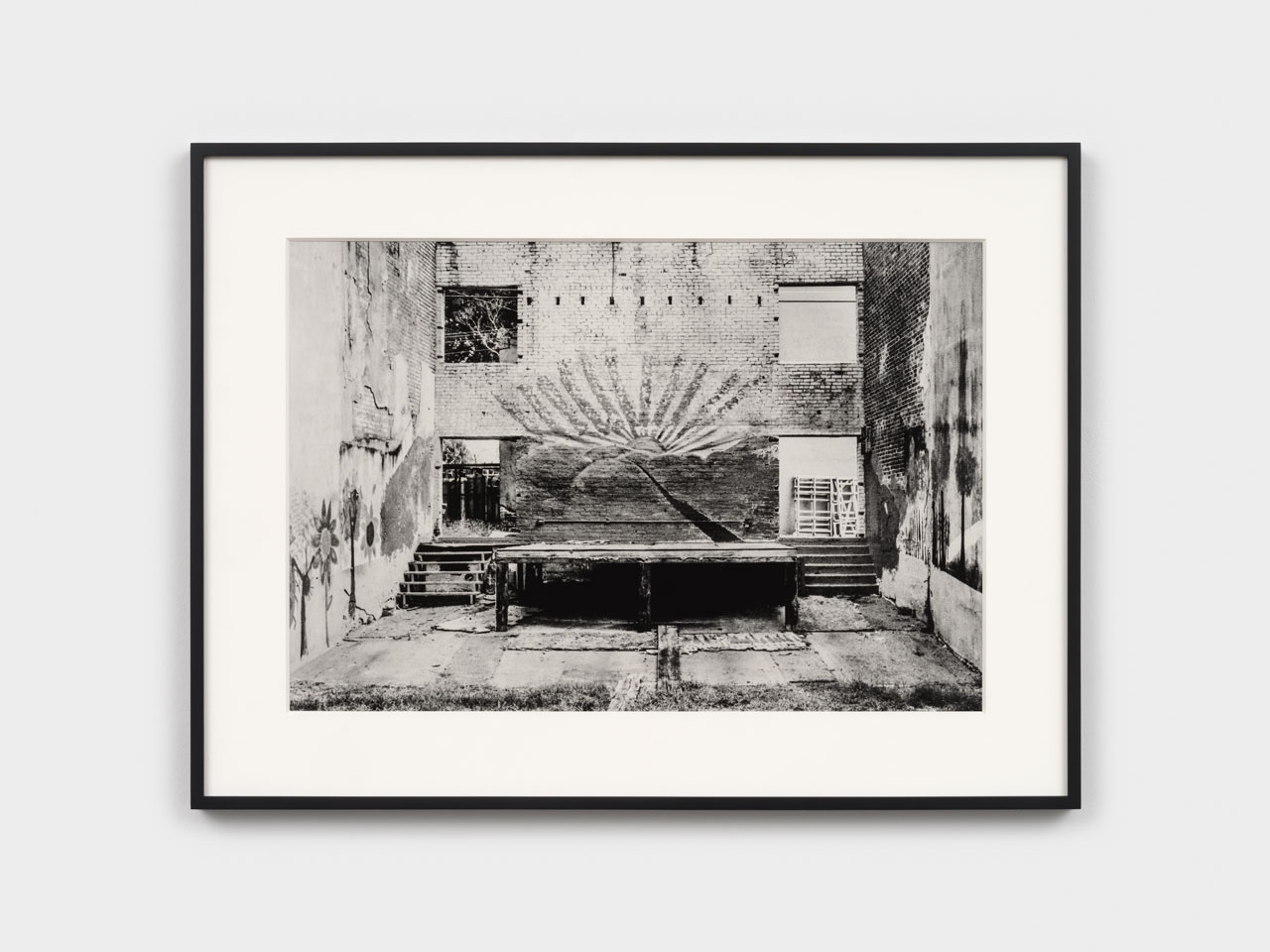
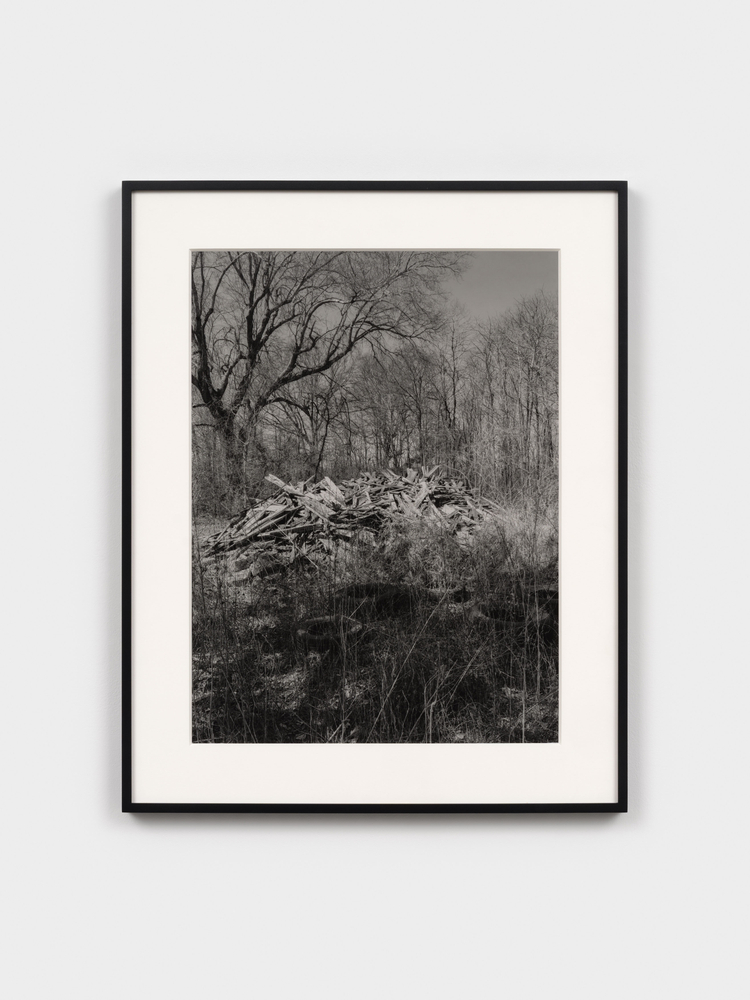
Paula Cooper Gallery is pleased to announce an exhibition of work by Ralph Lemon, including a video and a series of photographs presented here for the first time. Titled From Out of Space, the exhibition follows Lemon’s acclaimed survey, Ceremonies Out of the Air, recently presented at MoMA PS1 (November 2024–March 2025).
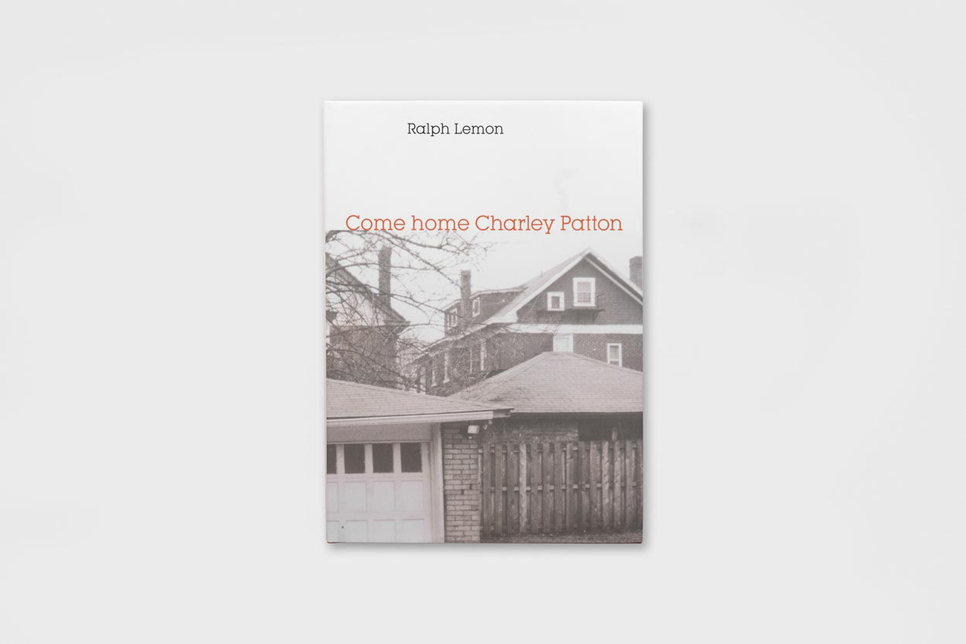
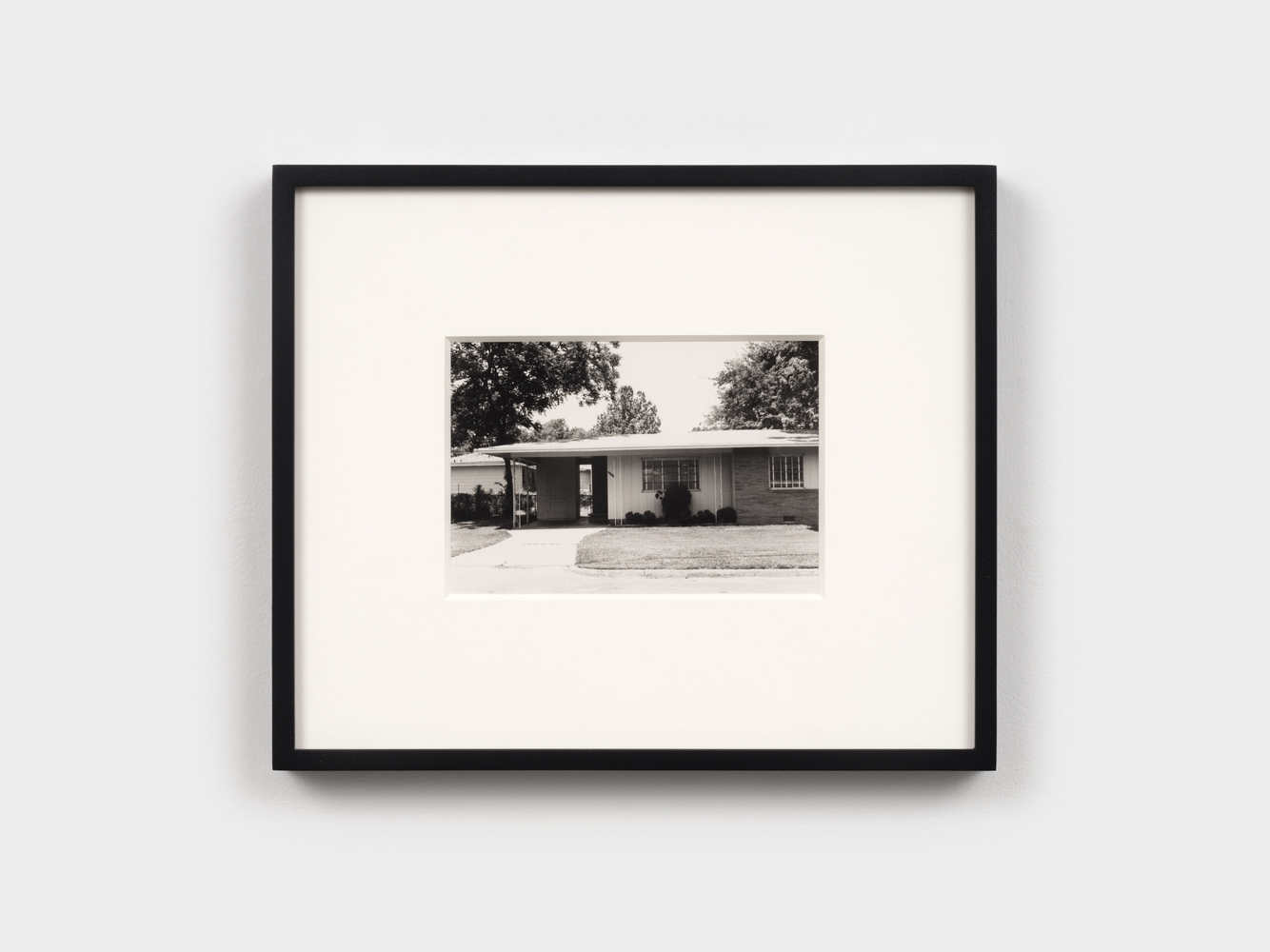
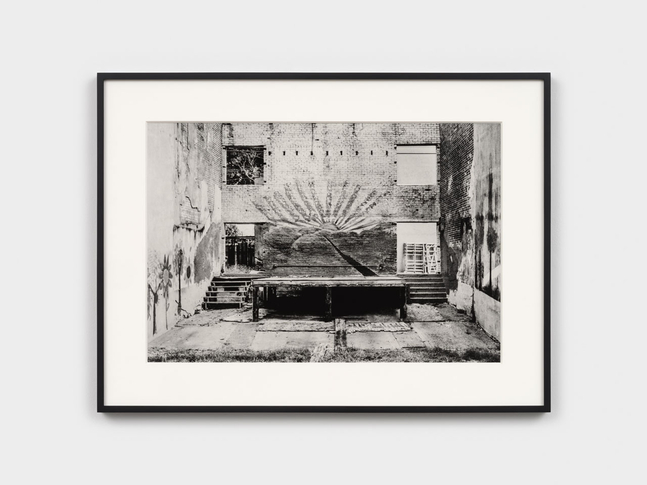
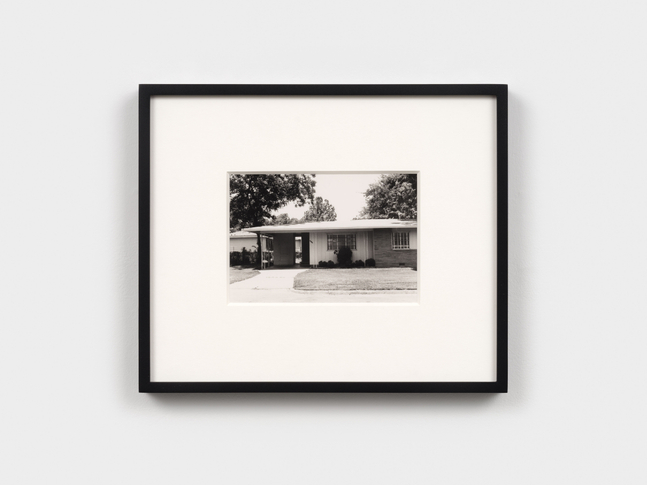
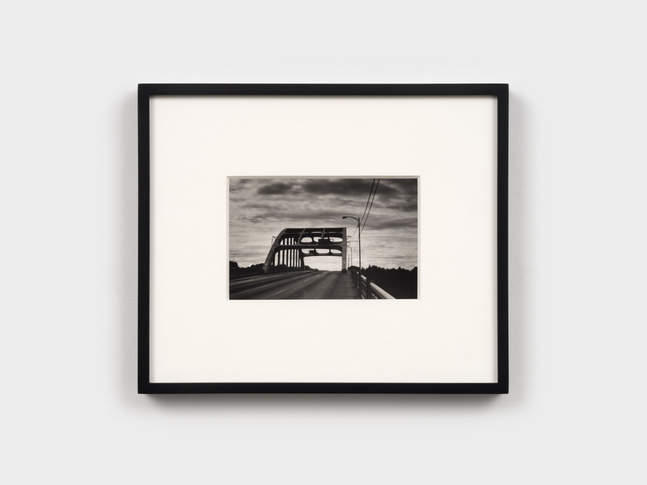
The works in From Out of Space emerge from a period in the late 1990s and early 2000s when Lemon traveled extensively throughout the southern United States, engaging directly with the history and afterlives of the civil rights movement. His research included a reenactment of the Freedom Bus Rides on their fortieth anniversary, undertaken through extended travel on Greyhound buses across the South. He documented, in notebook drawings and photographs, historically charged sites throughout the South, and staged more intimate and ephemeral encounters, including “living room dances” and counter-memorial performances at documented lynching sites. These experiences would ultimately inform his performance and book, Come Home Charley Patton (2013, Wesleyan University Press), the final volume of his Geography Trilogy.
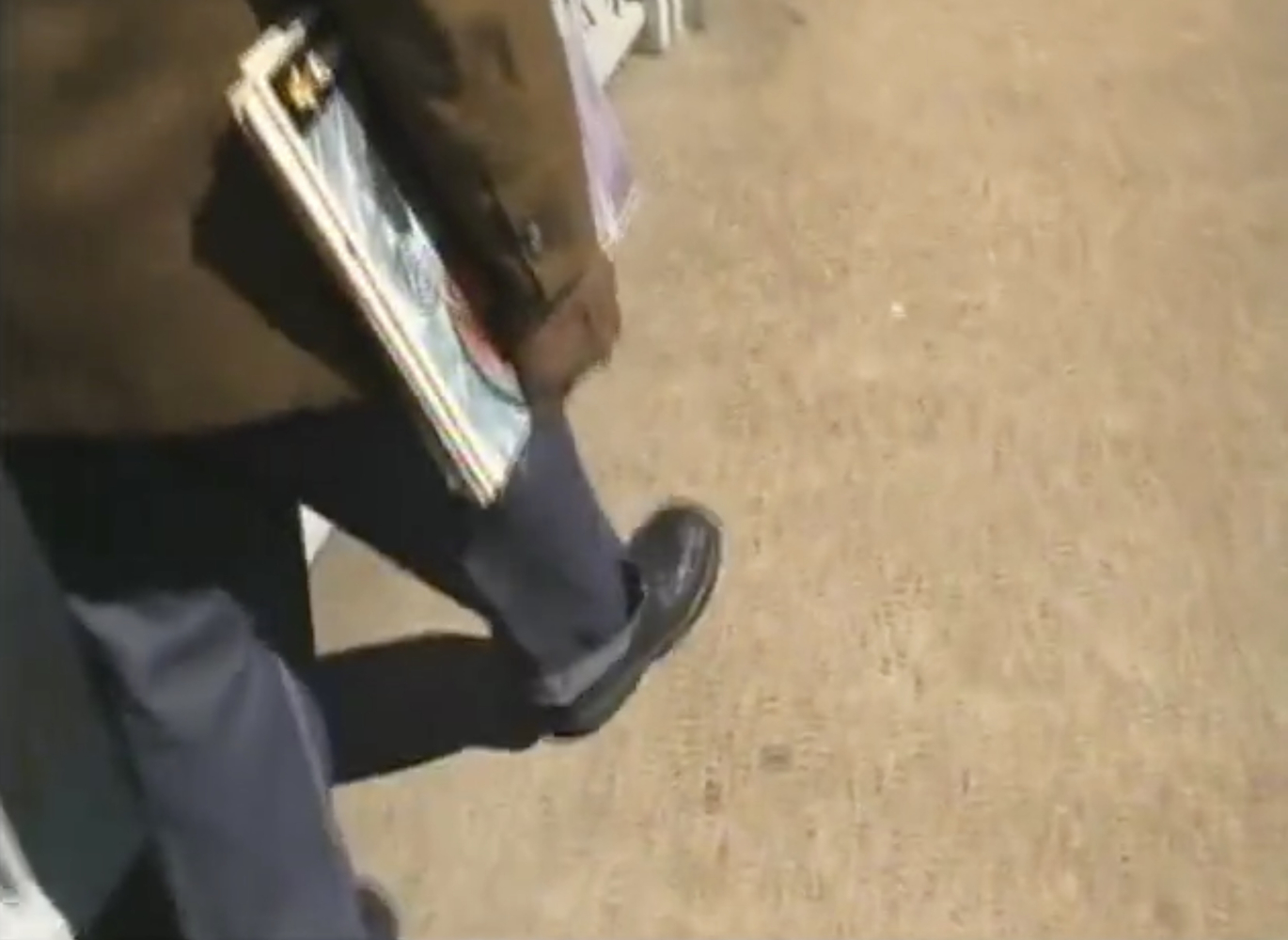
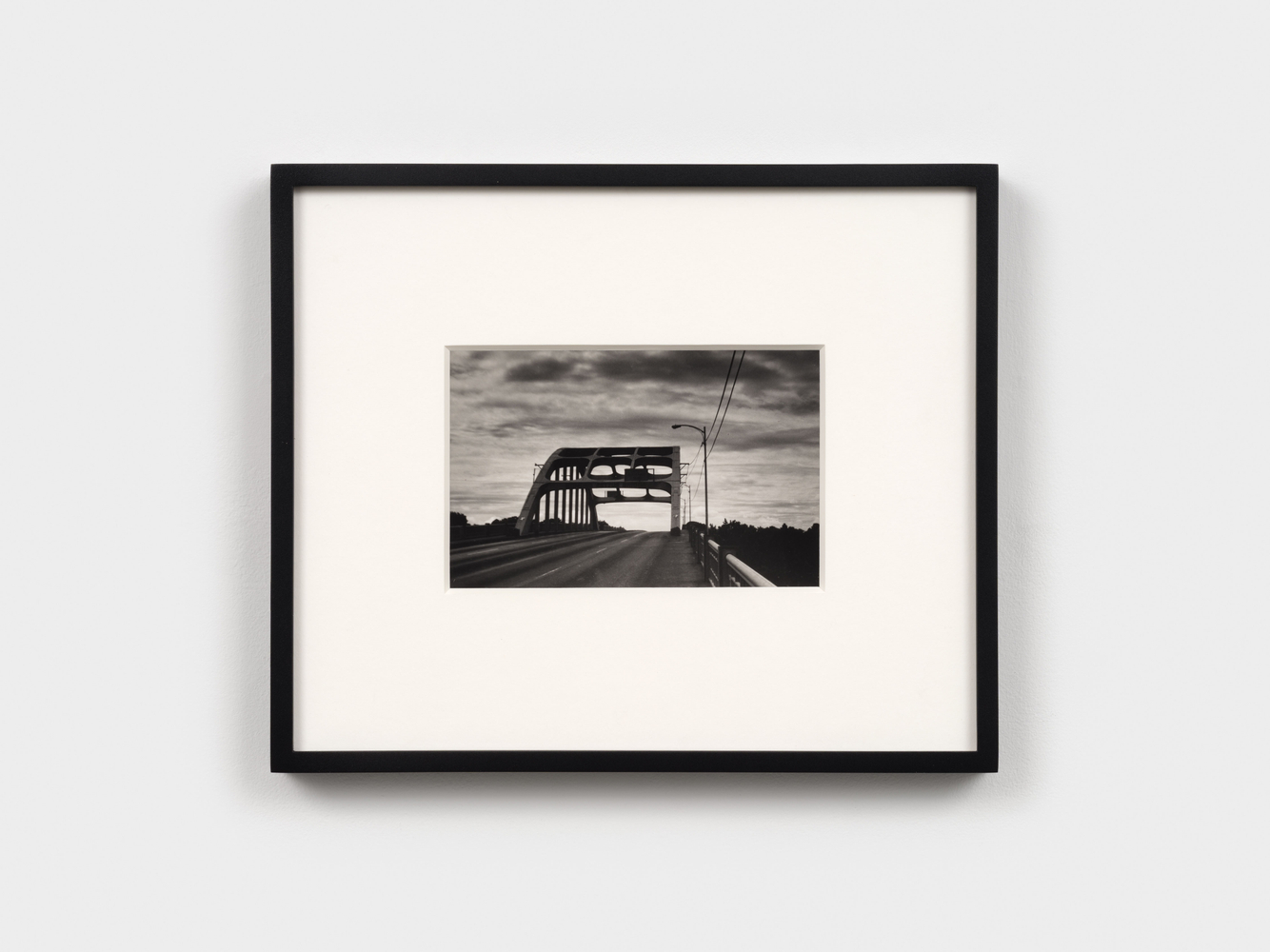
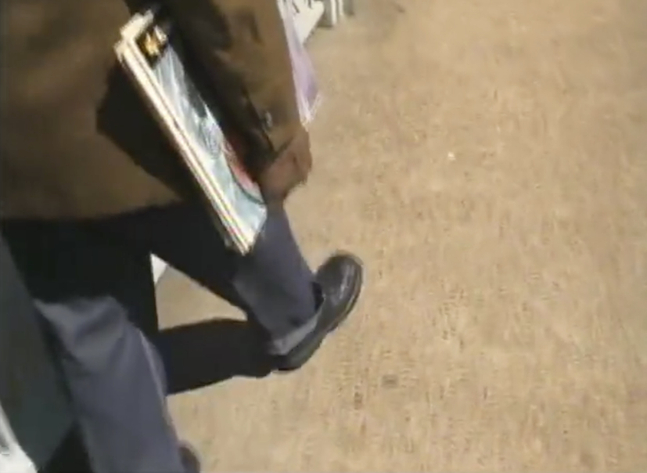
One such counter-memorial is the video Edmund Pettus Bridge Walk (2001), on view here, in which Lemon, dressed in a period suit, slowly crosses the bridge made historically emblematic by the 1965 civil rights marches from Selma to Montgomery. As he walks, Lemon repeatedly stumbles and drops a stack of local thrift store records, only to gather them up and resume his procession.
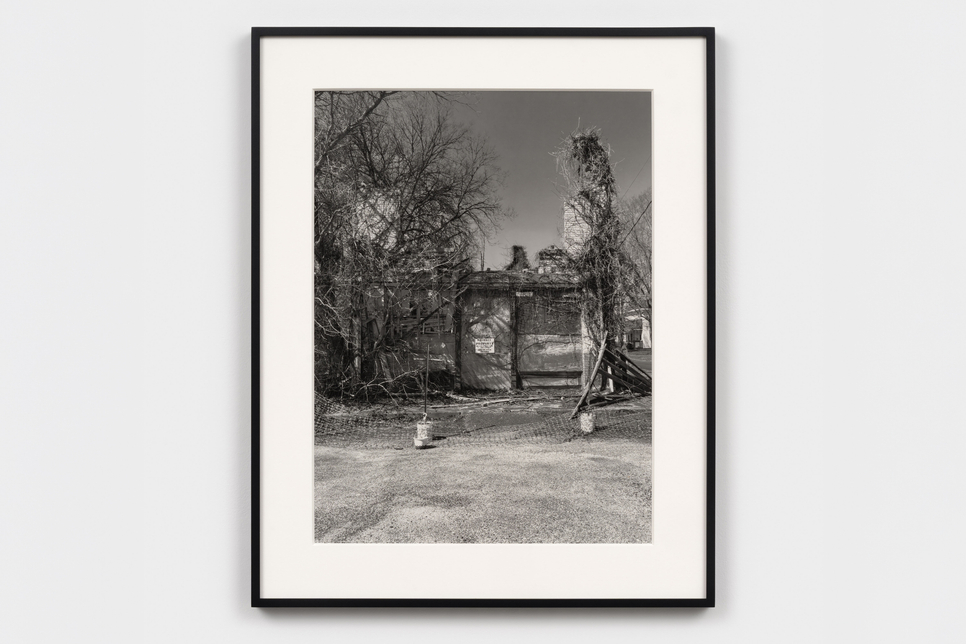
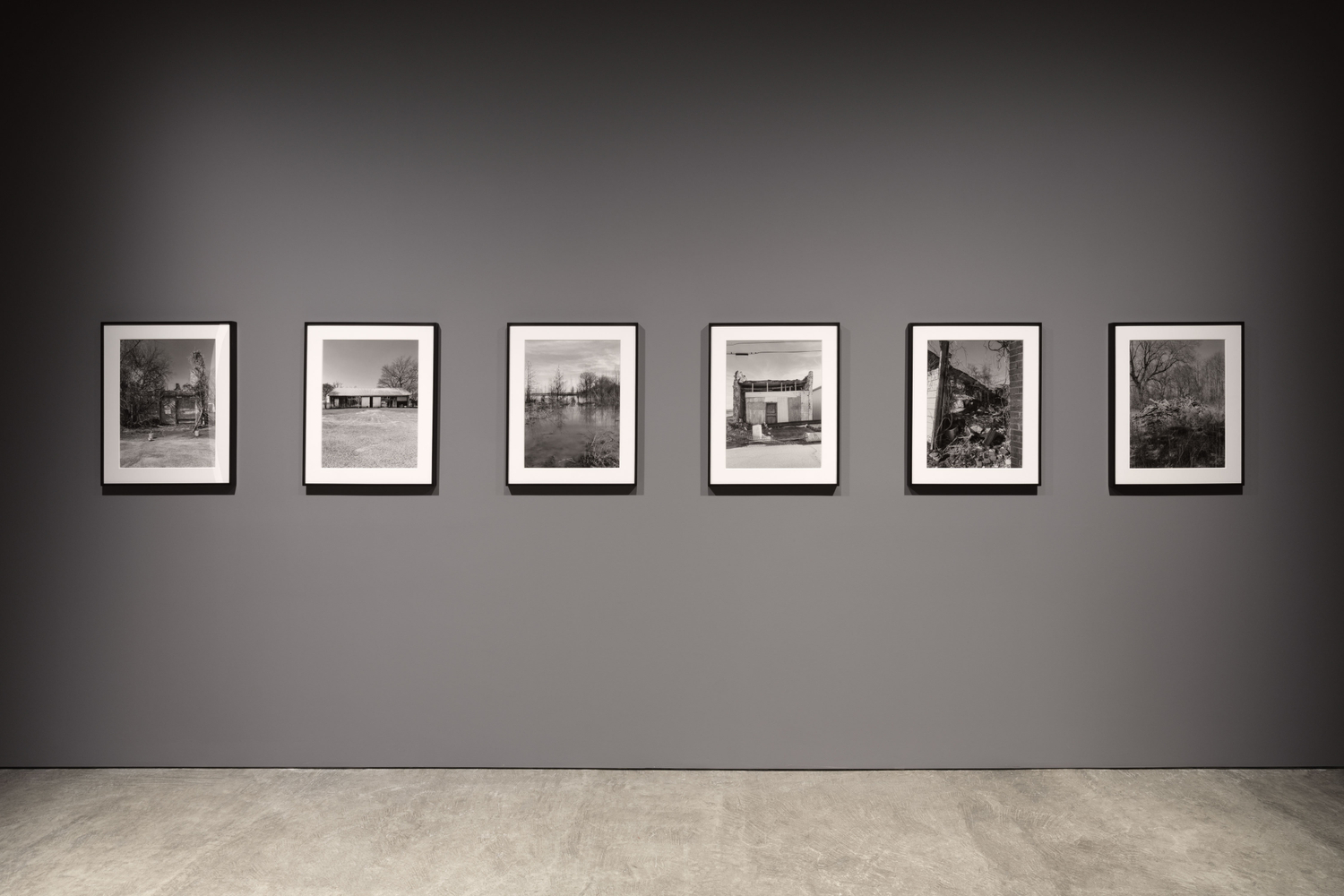
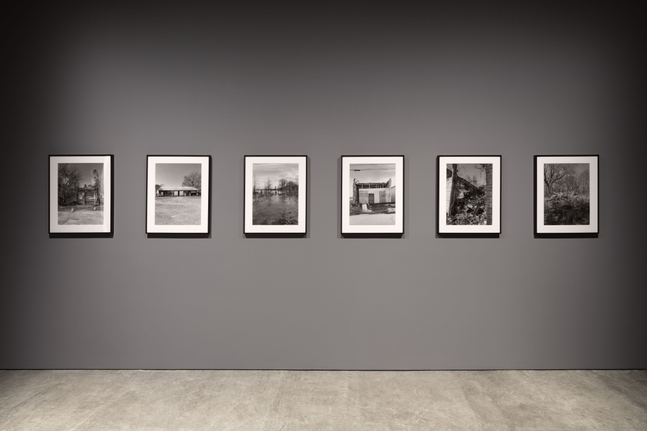
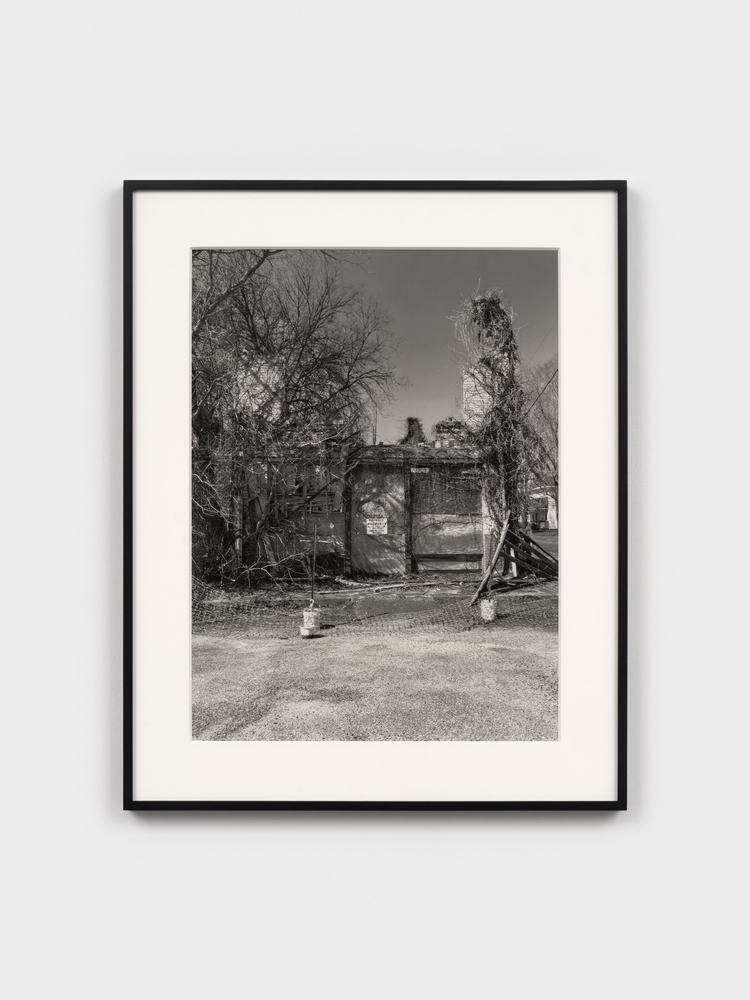
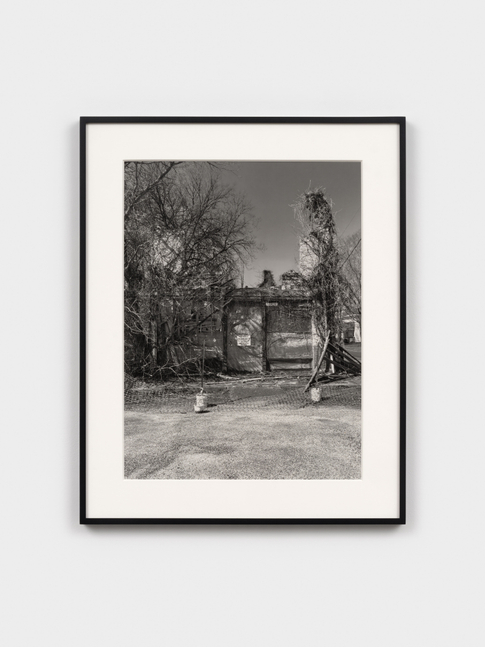
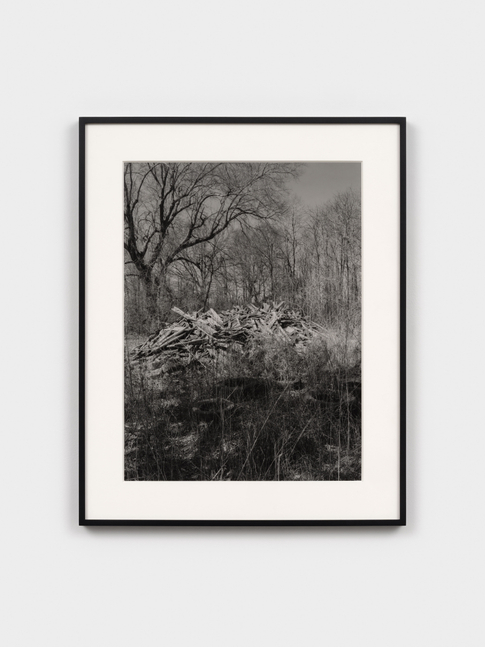
In 2002, while conducting this research, Lemon visited Money, Mississippi, a town associated with the brutal murder of Emmett Till on August 28, 1955.* Using a 35mm camera, he photographed the decaying grocery store where Till was alleged to have whistled at Carolyn Bryant, as well as the nearby Tallahatchie River, where Till’s mutilated body was discarded and later recovered. Lemon incorporated these photographs into a larger body of small black-and-white prints made during his travels.
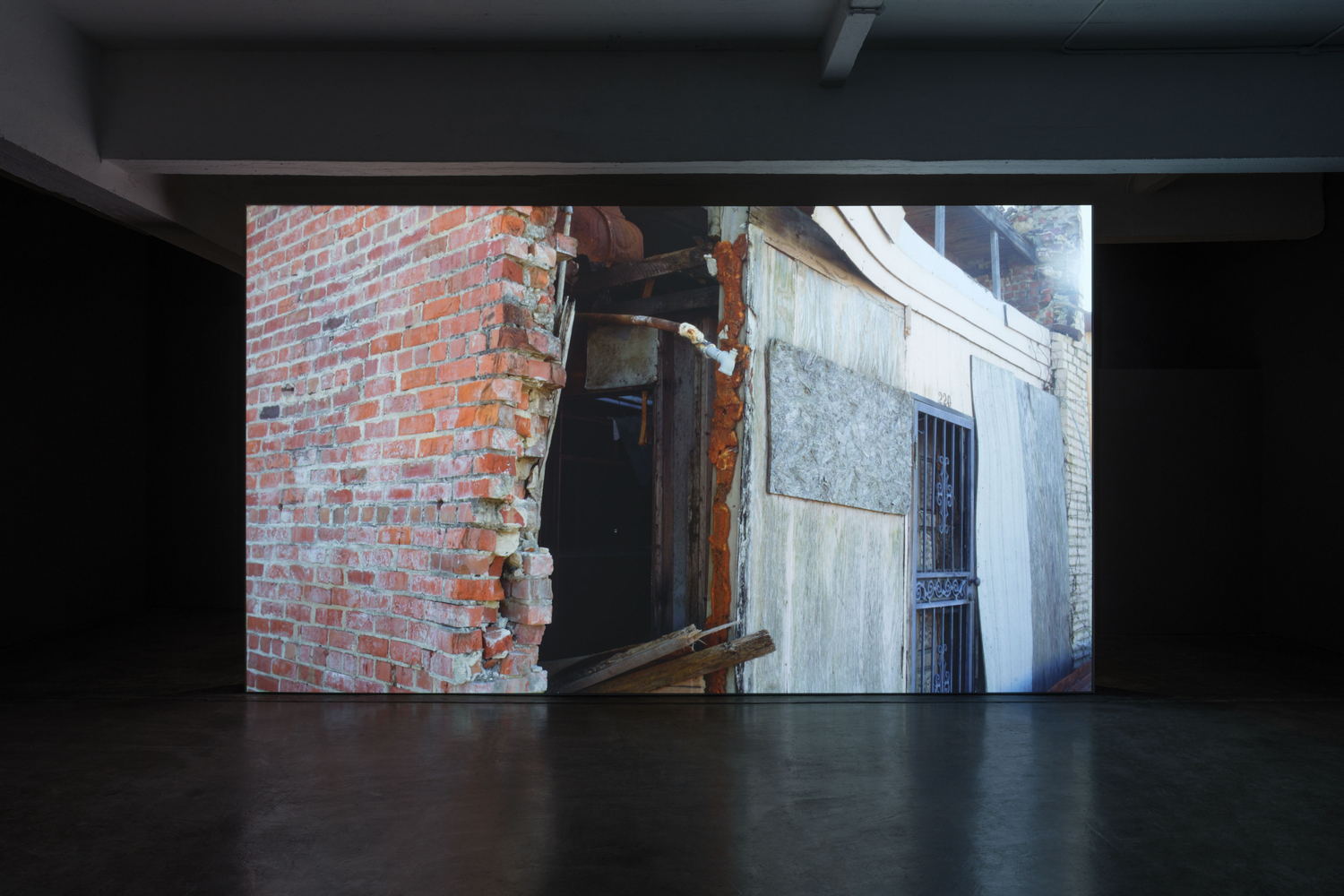
Sixteen years later, in 2018, Lemon returned to this part of the Mississippi Delta and met with Patrick Weems, Director of the Emmett Till Interpretive Center in Sumner, Mississippi. Weems organized a comprehensive tour of sites connected to Till’s story. This return resulted in a new series of digital black-and-white photographs, including further images of the grocery store, now in more advanced decay. The building’s owner —a descendant of one of the jurors who acquitted Till’s murderers—has repeatedly hindered efforts to preserve the property and memorialize Till’s story, leaving it instead to slowly deteriorate and disappear.
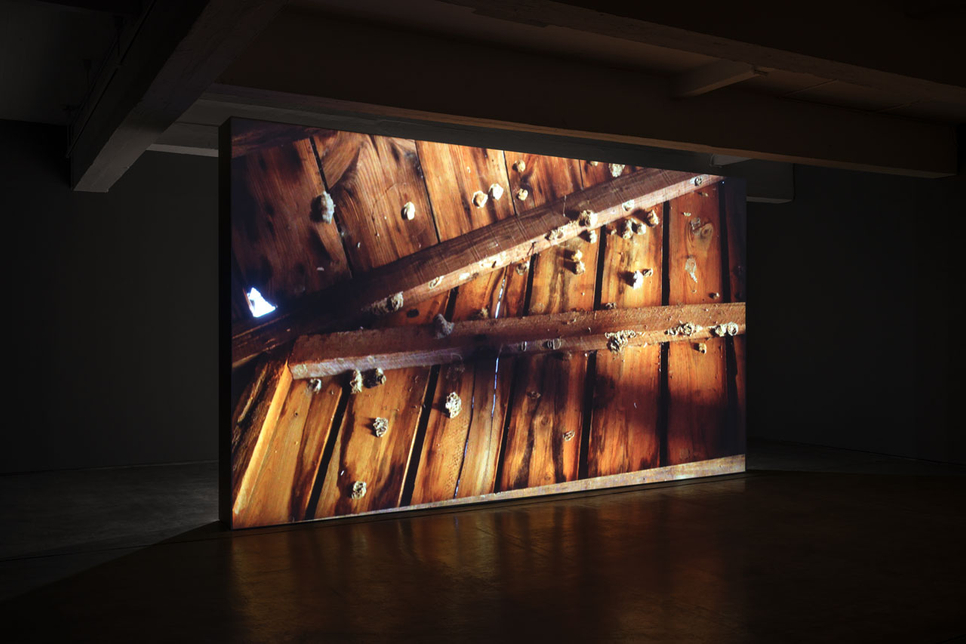
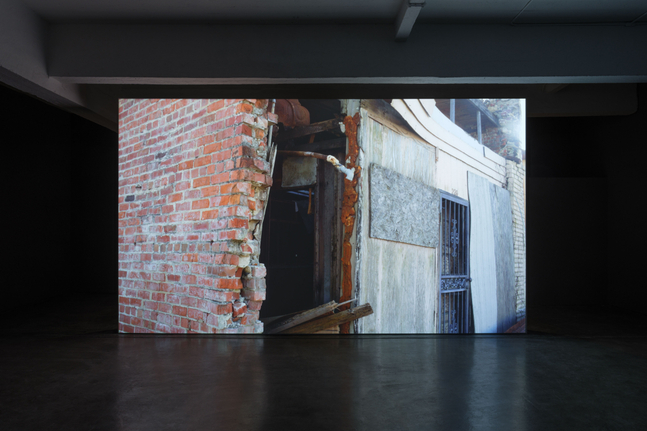
During this second visit, Lemon also filmed From Out of Space, a silent video work made using a camera and drone footage. From Out of Space is a meditation on history, ruins, erasure, memory, the role of witnessing, and the ethics of spectatorship. Hovering above the collapsing building, surrounding structures, and the nearby river, the camera registers multiple, overlapping temporalities: a brief human life violently cut short in a clandestine lynching seventy years ago; the uncertain duration of charged architectural remains; and the inexorable flow of the Tallahatchie River, carrying silt year after year like historical sediment, perpetually eroding the land and the memory of the body it once held. The work asks us to consider past and presence violence, what remains and what disappears, what we are willing to look at or overlook, to remember or forget—and why.
Writing in 2018 about one of the photographs in the show, Adrienne Edwards wrote, “Lemon attends to unspeakably quotidian violence with the most ordinary inflection. In so doing, he does not conjure history merely to allow it to hang in the air as a toxic mood; rather, his simple actions and words seem to be seismically impelled into the very ground, as though historical circumstances are being suspended in the banal character of the landscape.”[1]
As a corollary to the exhibition, the short video Wounded Rabbit (2009) will be on view in the gallery’s vitrine space, at 529 W 21st Street.
* Emmett Till (1941-1955) was fourteen years old when he traveled from Chicago to visit relatives in Money, Mississippi. On August 28, 1955, he was accused of whistling at Carolyn Bryant, a white woman, outside her family’s grocery store. Several days later, Till was abducted from his uncle’s home by Bryant’s husband, Roy Bryant, and his half-brother, J. W. Milam. He was taken to a barn in nearby Drew, brutally beaten by Bryant, Milam and possibly several others, and shot in the head. His body was weighted with a cotton gin fan and dumped into the Tallahatchie River. Three days later, his bloated and disfigured body was recovered.
Till’s body was embalmed and prepared for return to Chicago by Woodrow Jackson at Tutwiler Funeral Home, then released to his mother, Mamie Till-Mobley. On September 6, 1955, she held an open-casket funeral so the world could witness the realities of Jim Crow racial violence. Bryant and Milam were arrested and brought to trial but were acquitted by an all-white, all-male jury. A second grand jury later declined to indict them for kidnapping, effectively ending the case. In January 1956, Bryant and Milam confessed to the murder in a paid magazine interview, protected by double jeopardy. In 2008, after decades of silence, Carolyn Bryant admitted to a researcher that she had lied when testifying that Till had made verbal and physical advances on her. Her admission was made public in 2017.
An exhibition titled If Emmett Till Lived: Freedom on American Ground will open at the Museum of Contemporary Photography, Chicago, in September 2026.
[1] Edwards, Adrienne, ‘Jason Moran: Push All the Buttons, Shave All the Edges, or Straighten Them Out’. In Jason Moran, ed. Adrienne Edwards, Minneapolis: Walker Art Center, p. 35.